













Logo

King Johnnie App Download In Australia

A flexible phone-first option for Australia players who want quick account access, clear menus, and easy play on the go.

Slot Fortune Gems 2

Table of Contents

  • The Dog House Megaways Slot
  • Lucky Joker 10 Extra Gifts Slot
  • Sword of Ares Slot
  • Floating Dragon Hold & Spin Slot
  • Leprechaun Riches Slot
  • Fruit Coctail Slot
  • The Dog House Megaways Slot
  • Sword of Ares Slot
  • Fruit Million Slot
  • The Dog House Megaways Slot
  • Fruit Box Slot
  • Big Fisherman Slot
  • Seven Books Unlimited Slot
  • King Johnnie Fortune Slot
  • Sword of Ares Slot
  • Floating Dragon Hold & Spin Slot
  • 9 Mad Hats Slot
  • Floating Dragon Hold & Spin Slot
  • Big Bass Splash Slot
app 1

Why King Johnnie Mobile Fits Daily Play

Most phone sessions are short. A player opens the platform for ten minutes, checks the balance, picks one title, and leaves. That routine sounds simple, but it changes what matters. On a small screen, people care less about visual extras and more about whether the lobby is readable, the account button is easy to reach, and the path into a game feels direct.

Imagine someone opening the platform while waiting for a ride home. They do not want to search through layered menus or guess where the cashier moved after the last update. Usually, they want three things first - a clear login, a stable lobby, and an easy return to recently used sections. When those basics work, mobile play feels natural instead of improvised.

In 2026, players compare every phone service to the best apps on their device. So the real question is not whether the casino opens on mobile. The real question is whether it helps a person act quickly and leave just as cleanly.

When King Johnnie Mobile Makes More Sense

A phone often beats a desktop when the goal is speed. If you are signing in for a quick session, checking recent account activity, or making one controlled deposit, the smaller format can be more practical. Picture a player with twenty minutes free before dinner - they are far more likely to use the device already in their hand than set up a laptop.

How The Layout Should Work On A Smaller Screen

Good mobile design removes friction. It keeps category buttons visible, places account actions where the thumb can reach them, and avoids stuffing too much on one page. Usually, users do not want a desktop page squeezed into phone size. They want the platform edited for mobile, with fewer distractions and clearer next steps.
Using King Johnnie App Download On Different Devices

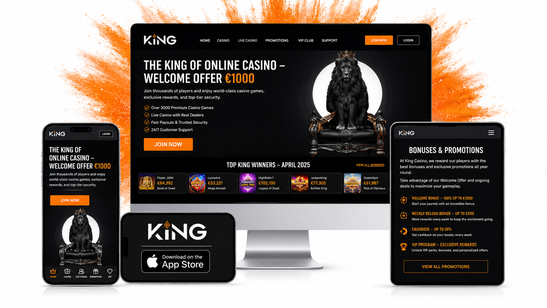
Some users prefer an installed product, while others are happy with a browser version saved to the home screen. The useful distinction is not the label but the result. Does it load fast, stay stable, and let you move between account tools and games without repeated re-entry?

app 2

If you switch between a phone and a tablet, consistency matters even more. Imagine using one device outside the house and another at home. Usually, the better experience is the one that keeps the same logic everywhere - the same category order, the same cashier location, the same account menu. Small differences can feel much larger on mobile because players notice them immediately.

Installation Habits That Prevent Friction

Before real play, it helps to test the full route once. Open the platform, sign in, enter the cashier, browse a few categories, and close the session. That quick check often reveals the real issues - cramped buttons, slow refresh, repeated login prompts, or awkward keyboard overlap. If you play on older hardware or limited data, this first test matters even more. A short check usually saves more time than players expect.

app 3

Account Setup, Payments, And Session Control

The first mobile impression is formed during sign-up. If the form feels cluttered or the instructions are vague, confidence drops early. A better experience breaks the process into visible steps and makes each action feel manageable on a phone.

Usually, adult players in Australia want a direct route: create credentials, confirm details, review payment options, set a spending plan, and move into the lobby. Imagine completing that process on public transport. One unclear error message or one field that resets for no reason can turn a normal setup into a frustrating exit.

The cashier matters just as much as registration. Players need to see what each action means before they move funds. Clear labels, readable pending states, and easy access to recent activity reduce second-guessing. The point is not only convenience. It is clarity.

Session control is where mobile design becomes genuinely useful. People often want to check history, adjust limits, pause for the day, or step away without losing orientation. On a good phone layout, those tools sit inside the account area and feel close at hand.

Deposit Steps People Usually Follow

Most players move through the cashier in a simple order: choose a method, enter an amount that matches the session plan, confirm the action, and wait for the balance to update. If you are testing the platform for the first time, starting with a modest amount is usually the sensible choice because it lets you test the flow without pressure. Picture someone who only wants a short evening session - they are not looking for drama, only a clean and controlled start.

Game Choice, Pace, And Mobile Comfort

Mobile users rarely want endless browsing. They want to narrow the lobby quickly and move into a title that fits the moment. Some are looking for short rounds, others for slower table play, others for something familiar they can open without thinking twice.

Imagine you have only fifteen minutes free. Usually, players do one of three things - return to a known title, use a category filter, or check their recent activity. A strong mobile lobby supports that behavior instead of forcing full exploration every time.

The comfort factor matters more than people admit. A game that feels fine on desktop can become irritating on a phone if the controls are too tight or the text sits at the edge of the screen. Short sessions expose this fast. If the player has to zoom, rotate repeatedly, or close pop-ups every minute, the session loses momentum.

Mobile Priority

What Players Usually Need

Why It Matters

Fast loading titles

Quick startup and stable controls

Helps short sessions begin smoothly

Clear filters

Simple sorting by type or pace

Cuts browsing time on small screens

Readable interface

Large buttons and clean text

Reduces input mistakes

Easy cashier access

Fast return to account actions

Supports controlled spending

Session tools

Limits, history, and break options

Helps players keep structure

How Players Narrow Down Their Options

Practical players usually start with time and mood. Do they want something fast, something familiar, or something slower that needs more attention? Once that choice is made, the lobby becomes easier to use. Imagine a lunch break session - most users will pick a known format rather than learn something new from scratch.

What Makes Short Sessions Easier To Manage

Short sessions work best when entry and exit are both simple. You open the platform, choose one activity, play within a set budget, and leave. On mobile, this matters more because the device is always nearby. If you want to keep play controlled, a time limit and a clear stopping point usually help more than vague good intentions.

Playing During Breaks And Evenings

The time of day changes behavior. Morning sessions are usually brief and functional. Evening sessions are often longer and more exploratory. Late-night play can become the least structured, which is why many users benefit from deciding the budget and session length before opening the lobby. Imagine a player who uses the platform in all three situations - the best mobile design keeps the experience clear, no matter the context.

Support, Limits, And Responsible Play Tools

Convenience means very little if help is hard to find. When a payment seems delayed, a title freezes, or a verification step stalls, people want direct guidance. Long help pages filled with general language do not do much on a phone.

Usually, the most useful support setup is simple: a visible help area, practical answers for common account questions, and a clear way to contact the team when the issue is specific. Imagine a player whose session stops right after a cashier action. They do not want vague reassurance. They want to know whether to refresh, wait, or ask for assistance.

Responsible play tools belong in the same conversation. Deposit limits, cool-down periods, account history, and stronger restrictions such as self-exclusion are not decorative extras. They give structure to players who want entertainment without losing control of time or spending. For adults in Australia, that practical side often matters as much as the game list.

What To Do If Something Does Not Load

Start with the basic checks - connection quality, memory pressure, browser refresh, and whether another app is interfering in the background. Many mobile issues are technical rather than account-related. If the same problem appears again, note the time and what you were doing. That makes later support contact much more effective and saves time.

Timeout, Breaks, And Self-Exclusion In Practice

A timeout can help when sessions are becoming too frequent or too emotional. It creates distance without forcing a permanent decision. Self-exclusion is the stronger measure, usually used when a player keeps returning after deciding to stop. Imagine someone reopening the platform several times in one week despite planning a break - stronger restrictions can become the practical move, not a dramatic one.

Player Impressions In Australia In 2026

In 2026, player opinion is shaped less by slogans and more by everyday usability. Can you sign in quickly before work? Can you check your account without hunting through menus? Can you end a session cleanly instead of drifting into another hour of play? Those details create the real impression.

Australian users also tend to notice whether the mobile experience respects their time. A phone session should not feel like a reduced desktop version. It should feel edited - fewer distractions, clearer actions, faster recovery when something goes wrong.

Imagine two similar platforms. One is louder, busier, and full of visual noise. The other lets you register, review your balance, find a title, use account controls, and step away without confusion. Usually, the second one feels stronger in real use.

For readers deciding whether this platform suits them, the key test is simple. Does the mobile setup match the way you actually play? If your routine is based on short sessions, one-device access, quick cashier checks, and clear control tools, the phone experience becomes the part that matters most.

FAQ

For most users, the starting process is manageable when the platform keeps registration clear and the mobile layout readable. The sensible approach is to move in order - create the account, confirm details, check the cashier, and test the lobby before committing to a longer session. If you use older hardware or weak mobile data, a short trial run is especially useful. Usually, that first small session tells you whether the phone experience feels reliable enough for everyday use.

In many cases, yes. A phone encourages faster decisions, shorter visits, and more focused use. Players often open one familiar title, check the account, and leave instead of turning the session into a long browse. That can help with structure, but only if the player also sets a budget and a time window. Convenience helps with access, not with self-control, so routine still matters.

Start with the cashier itself. Look at the available methods, read any notes attached to them, confirm the amount you plan to use, and make sure the balance display refreshes clearly afterward. It is usually smart to begin with a smaller amount because it lets you test the process without unnecessary pressure. If anything seems unclear, pause and resolve that first instead of rushing ahead.

Often it can. Performance matters more than the label. If the platform opens quickly, stays stable, and lets you move between the lobby and account tools without repeated sign-ins, many players will find that more than enough. An installed option may feel more direct on some devices, but the useful comparison is practical - which version loads faster, behaves more consistently, and fits your normal routine better.

Most people simplify the choice. They return to a familiar title, use a category filter, or check recent activity instead of scrolling through everything. That approach works well because a small screen rewards fast decisions. If you know whether you want something quick, familiar, or slower paced, the whole session becomes easier to manage and less impulsive.

Pause first rather than pushing forward. Repeated reloads often come from connection changes, low device memory, background app pressure, or a browser issue. Try a clean refresh, close unused apps, and test another connection if possible. If the problem continues, note what happened and when. Usually, that simple record makes troubleshooting easier and leads to more useful support answers.

A short break can help when play starts feeling too frequent or emotionally driven. Stronger restrictions are more suitable when you keep returning after deciding to stop, or when spending repeatedly exceeds your plan. These tools work best when used early, before the pattern becomes harder to manage. In practice, they are part of normal account control, not a last resort reserved for extreme situations.