Logo

King Johnnie Review In Australia

This 2026 article helps adult players in Australia compare sessions, manage limits, and use King Johnnie with more control.

Slot Fortune Gems 2

Table of Contents

  • The Dog House Megaways Slot
  • Lucky Joker 10 Extra Gifts Slot
  • Sword of Ares Slot
  • Floating Dragon Hold & Spin Slot
  • Leprechaun Riches Slot
  • Fruit Coctail Slot
  • The Dog House Megaways Slot
  • Sword of Ares Slot
  • Fruit Million Slot
  • The Dog House Megaways Slot
  • Fruit Box Slot
  • Big Fisherman Slot
  • Seven Books Unlimited Slot
  • King Johnnie Fortune Slot
  • Sword of Ares Slot
  • Floating Dragon Hold & Spin Slot
  • 9 Mad Hats Slot
  • Floating Dragon Hold & Spin Slot
  • Big Bass Splash Slot
reviews 1

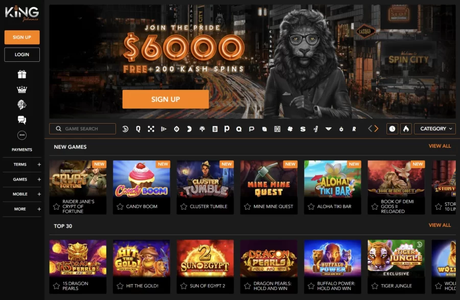
What Stands Out On The First Visit

The first visit usually tells you more than any slogan. A player opens the lobby, looks at the menu, checks where the wallet sits, and tries to understand how quickly the platform can be learned. If those steps feel messy, trust drops early. If they feel simple, the user can focus on choices instead of guessing where everything is.

Imagine finishing work and opening the platform with half an hour free. Most adults do not want a long discovery process. They want to see categories, find the cashier, and decide whether the session should be short or longer. In 2026, that clarity matters because a clean start usually leads to calmer decisions.

Registration, Wallet Setup, And First Budget

Account creation should feel straightforward. You enter details, check them carefully, set up the wallet area, and make sure the account is being used by an adult within applicable local rules. It is not exciting, but it prevents problems later.

reviews 2

Picture someone registering on a phone while messages keep appearing on the screen. Usually, that person rushes and assumes any small error can be fixed later. A calmer setup is better: fill in the profile once, compare the name on the account with the payment details, and only then move to the cashier.

The first budget deserves the same care. Many careful players separate money into three buckets - session money, reserve money, and money that should stay outside gambling. That simple split removes negotiation later.

How To Avoid Setup Mistakes Before You Play

The safest order is simple: create the profile, verify the details, choose the payment route you understand best, and only then decide whether to deposit. If you reverse that order, the mood of the session can start driving the setup. Imagine wanting to try one game quickly, adding funds first, and deciding to check the profile later. That is how avoidable mistakes happen.

It also helps to pause before the first deposit and look at the control tools. Deposit caps, session reminders, and short breaks are useful for ordinary adult players too, especially on tired evenings.

reviews 3

Choosing Games Without Turning The Session Random

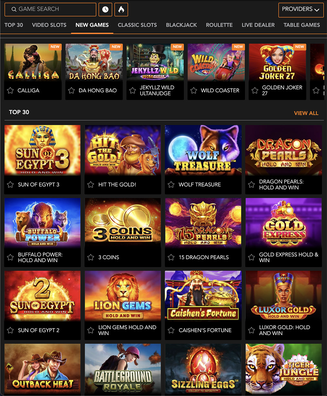
A large lobby can be useful or exhausting. The difference depends on how you browse it. If every title looks like a possible good pick, the session quickly becomes random. If you narrow the search by pace, style, and budget, the choice gets easier.

Imagine you have forty minutes and want entertainment, not work. In that situation, a complex title may be the wrong fit even if it looks impressive. Adults who play with more control usually match the format to the mood, not to the loudest thumbnail.

A practical method is to ask three questions before choosing anything. How fast do I want the balance to move? How much attention do I want to spend? And do I want simple repetition or more direct decision-making?

Reading The Lobby Instead Of Chasing Thumbnails

Thumbnails are built to pull the eye, but that does not mean they match the session you want. A bright theme can hide a tiring structure. Imagine opening three titles in five minutes because each new image looks more interesting than the last. Usually, that player is not comparing well. They are just reacting.

A better way is slower. Pick one category, keep the stake low at first, and give the title enough time to show its rhythm. Once players start doing that, switching stops feeling automatic.

Balancing Pace, Stake Size, And Attention

The right stake is not only about money. It is also about attention span. A small amount can still feel stressful if the pace is too sharp or the mechanics are harder to follow than expected. Imagine playing after a long day when your focus is already thin. Even a moderate session can start feeling heavier than planned.

That is why careful players often test the rhythm first and only then decide whether the current stake makes sense. Some titles work for ten minutes, then stop being fun. The session improves when players notice those signs early.

Why King Johnnie Reviews Matter In 2026

Adult players often look for other opinions before they deposit, but general praise is not enough. What matters is whether feedback helps you predict the actual experience: how simple the interface feels, whether the cashier seems understandable, and whether the session tools are easy to use when emotions rise.

Imagine reading five comments in a row before bed. One person says the lobby is great. Another says it is confusing. Useful reading starts when you look for details about what the player actually did - registration, payment changes, limit settings, or attempts to end a session on time.

In 2026, this matters even more because cleaner design can make every platform look easy at first glance. Reviews help only when they sharpen your own checklist.

What Adult Players Usually Notice First

Most adults notice workflow before entertainment value. They want to know whether they can move from registration to lobby to cashier without friction. Imagine a player with limited time on a weekday evening. That person is rarely impressed by vague excitement. They care more about whether the platform respects their attention.

This is why useful feedback often sounds ordinary. Comments about navigation, clarity, balance visibility, and session controls may seem less exciting, but they are more practical.

How To Compare Feedback Without Copying Other People

A smart comparison starts by separating experience from emotion. If someone says a session felt unfair, ask what actually happened. Did they switch titles too often? Did they raise stakes quickly? Imagine copying the habits of a stranger whose budget and patience are completely different from yours. Their conclusion may be sincere and still not help you.

The better method is to read several opinions, pull out the repeated practical details, and ignore the dramatic framing around them. You are not searching for a perfect answer. You are building a realistic preview.

When Opinions Stop Being Useful

Opinions stop helping when they replace decision-making instead of supporting it. Imagine spending an hour reading comments and then ignoring your own budget the moment you start playing. That is not research anymore. That is delay followed by impulse.

Read enough to understand workflow, payment logic, mobile usability, and control tools. Then stop. Your own session plan still matters more than any comment thread.


Payments, Cash-Out Habits, And Player Support

Payments are where routine becomes visible. Deposits feel easy because they happen at the start, when energy is high. Withdrawals are different. They test whether the player stayed organized, whether account details match, and whether the session has a real finish point.

Imagine reaching a decent result earlier than expected. Many people tell themselves they will try one more short run. That is the moment where a plan either exists or does not. A player with structure usually checks the balance, moves to the cashier, and follows the same steps every time.

Support matters for the same reason. Sometimes the smartest move is asking a clear question before repeating a payment action or changing several account settings in one sitting.

Area To Check

What The Player Should Do

Why It Helps

Deposit method

Use a familiar option first

Reduces rushed mistakes

Account details

Match profile and payment information

Helps avoid verification issues

Withdrawal plan

Decide the exit point before playing

Limits re-entry after a win

Support contact

Send one clear message with details

Prevents repeated guesswork

Session records

Keep track of spend and stop points

Makes future sessions easier to judge

This table turns vague advice into visible steps. Check, match, decide, record, stop - that is the sequence that keeps payment behavior cleaner.

Mobile Use, Limits, And Responsible Play In Australia

Mobile access changes the rhythm of gambling more than many people expect. On desktop, players usually compare more slowly and see more information at once. On a phone, they dip in between errands, meals, messages, and short breaks. That makes distracted play more likely.

Imagine opening the platform while waiting for food or transport. It feels harmless because the window is small. Yet those short fragments often produce the weakest choices: quicker deposits, less comparison, and more title switching. Adults in Australia who want a controlled session usually benefit from asking one question first - is this a good moment to play at all?

Responsible play tools exist for exactly these moments. Deposit limits help before the session grows. Session reminders interrupt the trance that fast play can create. Timeout tools give a forced pause when emotion starts to lead. Self-exclusion is the stronger option when gambling is no longer staying inside boundaries.

Players often wait too long before using these tools because they expect to solve the problem with willpower alone. The better habit is earlier action.

Using Timeout And Self-Exclusion Tools Early

The most effective pause is the one set while the mind is calm. Imagine a player who has had two frustrating evenings in a row and keeps telling themselves the next session will be different. A timeout changes that pattern because it blocks the immediate return and gives the player space to think.

Self-exclusion is more serious, but the logic is similar. If gambling is starting to affect sleep, mood, work, or money meant for ordinary life, earlier action is usually the better action.

FAQ

Start with time and budget before you think about titles. Decide how long the session can last, how much money belongs to that session only, and what result tells you it is time to stop. Players usually make weaker choices when they open the lobby first and start planning later. A short written rule can help: one deposit, one stop point, no extra top-up.

Check that your profile details match the payment information and that you have not changed several account settings at once. Small mismatches can become bigger delays later. It also helps to stay calm if a status does not update immediately. Repeating the same action too quickly often adds confusion instead of solving it.

Not always, but it is often a more distracting one. Mobile sessions happen in fragments, and fragmented play can weaken attention. If you are focused, have a fixed budget, and know your stop point, a phone may be fine for a short session. If you are tired, rushed, or multitasking, desktop often gives you a calmer environment and a clearer view of your balance and options.

Contact support when the next step could make the issue harder to untangle. That usually means payment questions, account detail mismatches, or a screen that is not behaving as expected. One clear message with the time, device, and action you took is usually better than several rushed attempts to fix it alone.

You usually feel it early. The pace feels heavier than expected, the mechanics ask for more attention than you want to give, or the session becomes irritating instead of entertaining. A better move is to pause, lower the stake, or leave. Enjoyment often drops before the balance does, and that is a useful warning sign.

No. They are useful for normal adult play as well. A deposit cap can stop a tired evening from becoming an expensive one, and a timeout can interrupt a pattern before it grows. These settings are not only for emergencies. They are routine tools that help keep gambling inside planned limits.